They don't have brains, hearts, bones or even blood. Yet jellyfish have been drifting through Earth's oceans for more than 500 million years, long before dinosaurs roamed the planet.
On November 3, World Jellyfish Day gives us a chance to celebrate these fascinating creatures and share a few things you might not know about them.
Meet the Moon Jellyfish
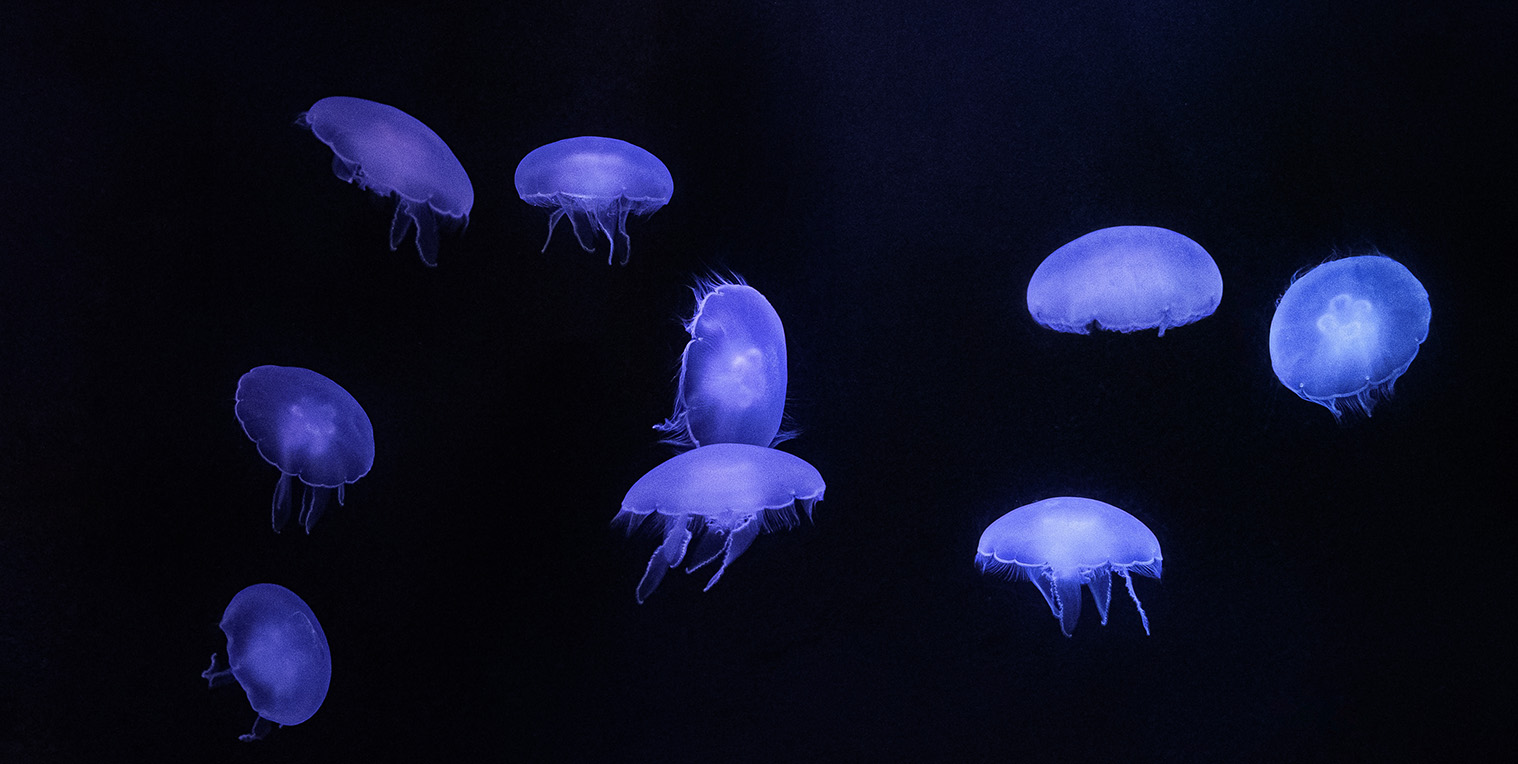
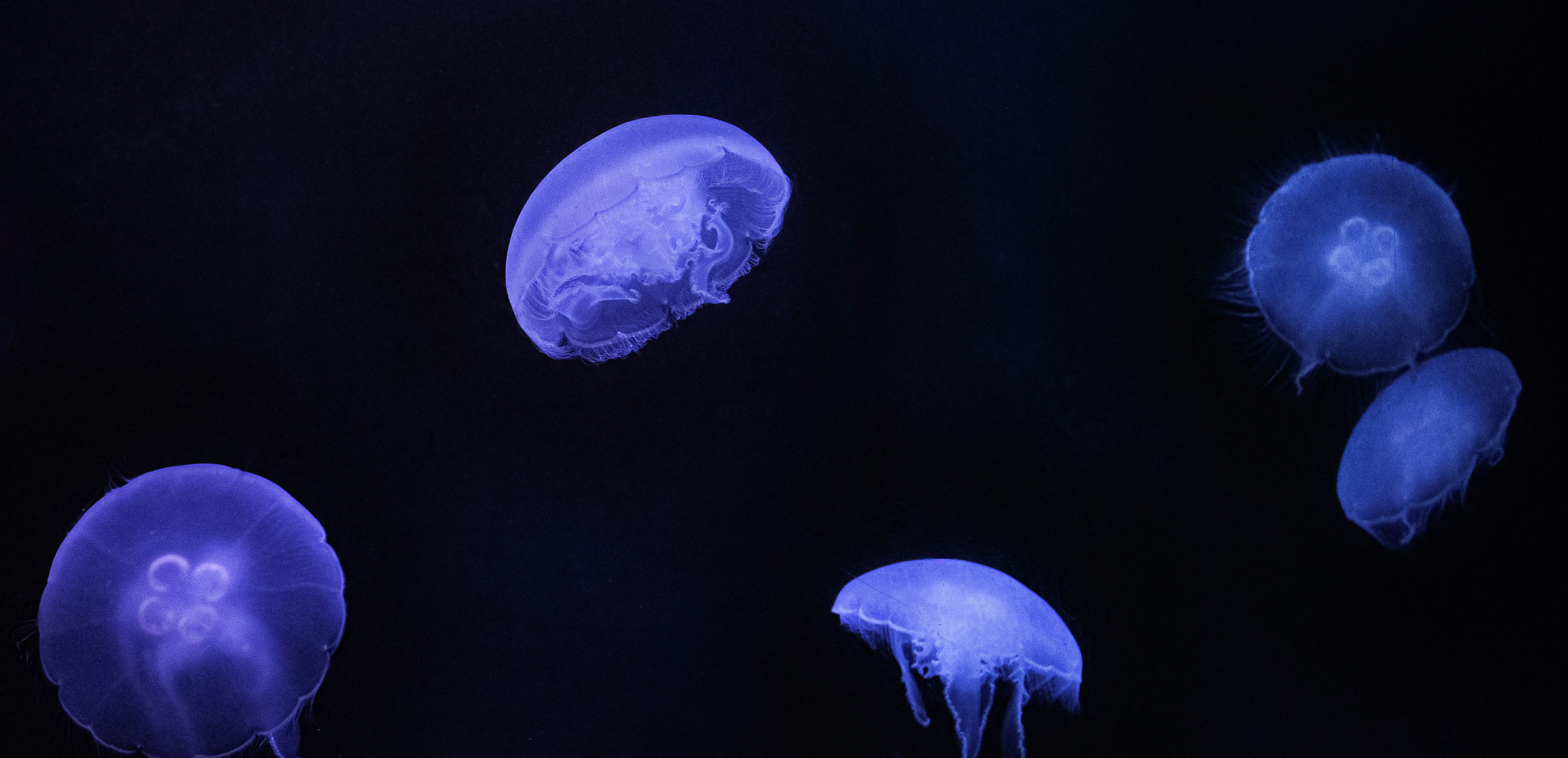
With their translucent, umbrella-shaped bodies and gentle, pulsing movements, moon jellyfish are mesmerizing to watch. At Atlantis Paradise Island, guests can find them in The Dig marine habitat.
Atlantis cares for a species of moon jellyfish native to the northern Pacific Ocean, where waters are surprisingly cold. Their habitats at Atlantis are kept at a chilly 55°F to provide the conditions they need.
These moon jellies can grow to more than 12 inches across, about the size of a dinner plate. And while they typically live just three to six months in the wild, under the care of Atlantis' marine life team, adults can live for more than two years.
A Few Facts That May Surprise You
Jellyfish may look delicate, but they're remarkably effective predators. Without a brain, they rely on a simple network of nerves to sense and respond to their surroundings.
Some jellyfish even produce their own light, a phenomenon called bioluminescence. When threatened, the Atolla jellyfish radiates flashes of blue light – a color that is visible in the deep ocean - that pulse around the crown of its body. The bright bioluminescent flashes can attract or dazzle its prey or startle predators.
Growing Up Jellyfish
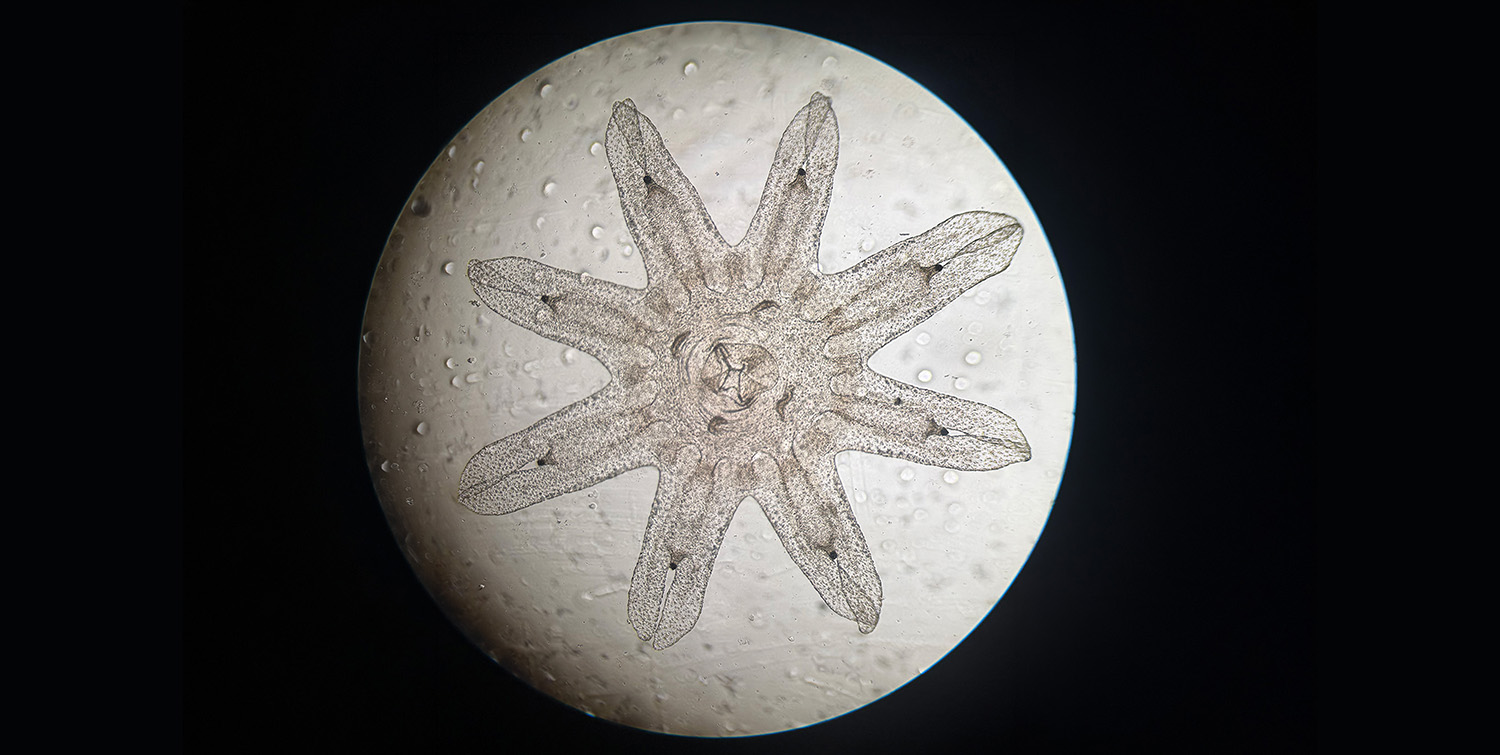
Every moon jellyfish starts life as a tiny polyp, holding tight to a rock or other surface in the ocean. When the seasons change and the water warms or cools, the polyp begins to release baby jellyfish called ephyrae, each one a clone of its parent and only about the size of a sesame seed.
At Atlantis, our marine life team gently moves these babies into a kreisel, a specially shaped round habitat that keeps them floating in the water, since young jellyfish can't survive resting on the bottom. As the jellies grow, they move into bigger and bigger homes, and the team's tools grow right along with them: basters and pipettes for babies, spoons for youngsters, and pitchers and even buckets for adults that stretch more than 12 inches across. Along the way, they dine on a menu of tiny brine shrimp, rotifers and copepods.
Coming Soon: Sea Nettles
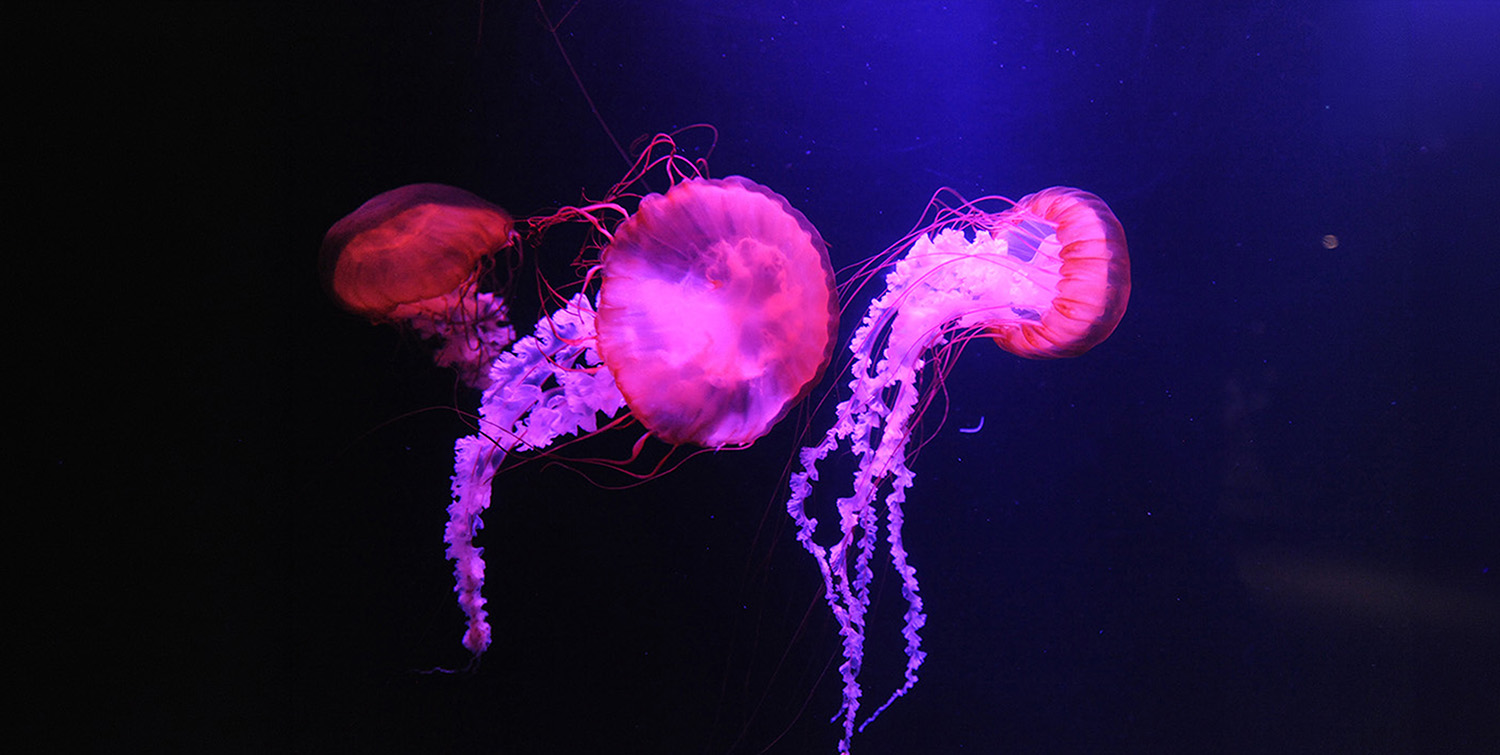
Using this same careful process, the Atlantis marine life team is also working to raise sea nettles, another fascinating type of jellyfish, for future display in The Dig.
Some sea nettles actually eat other jellyfish. Their long tentacles contain specialized stinging cells that release venom to help immobilize their prey. They may look graceful, but they're skilled hunters.
Small Creatures, Big Role in the Ocean
Jellyfish are an important food source for sea turtles and other marine animals, which can mistake floating plastic bags for a meal. Swallowed plastic can block their digestive systems, sometimes with deadly consequences. Remember, keeping our oceans clean matters!
The next time you visit The Dig at Atlantis, take a few minutes to watch the moon jellyfish. They're living proof that some of the ocean's most extraordinary creatures don't need brains, bones or even a heartbeat to thrive. And after 500 million years, they still have plenty to teach us.
Stay four nights or more and save up to 35%, plus complimentary breakfast for two and more time to experience everything Atlantis has to offer.
Stay four nights or more and save up to 35%, plus complimentary breakfast for two and more time to experience everything Atlantis has to offer.