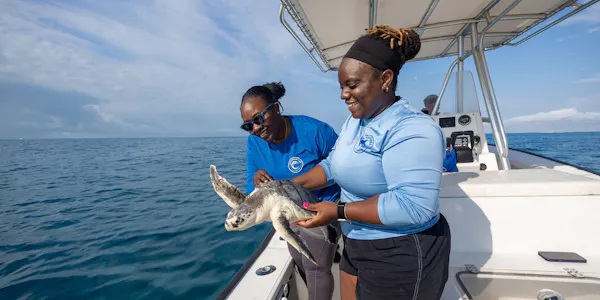
May 15 is Endangered Species Day
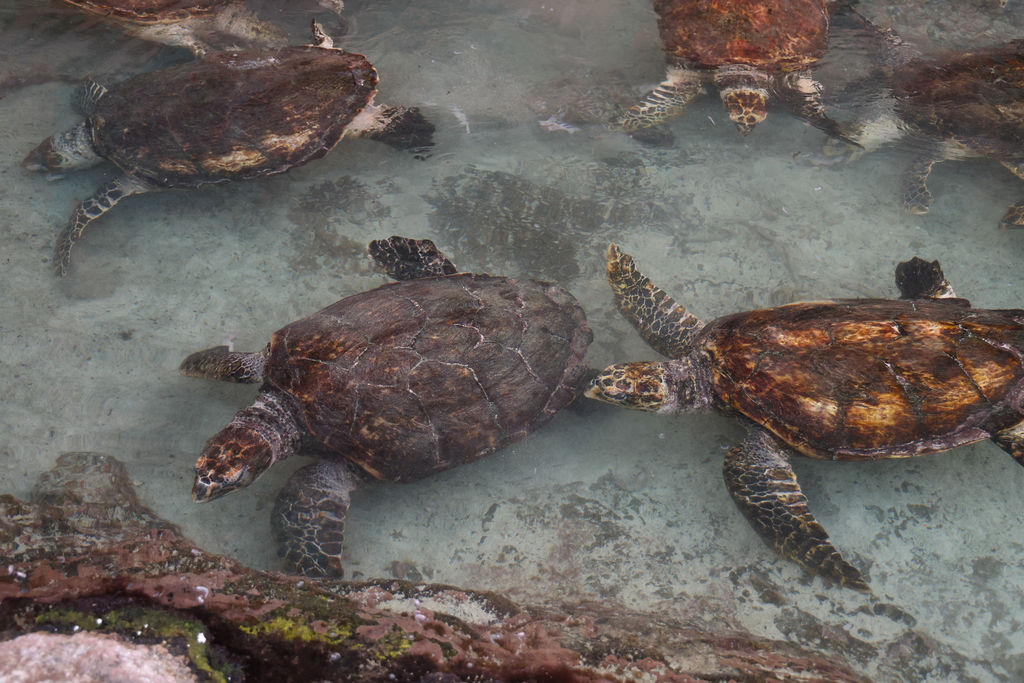
At Atlantis, we care for many endangered species, including critically endangered Hawksbill sea turtles. With beautiful, patterned shells and narrow, pointed beaks, Hawksbills are the only sea turtles that survive primarily on sea sponges found on coral reefs. They spend most of their lives in tropical waters and often return to lay their eggs on the same beaches where they were born.
We also care for Smalltooth sawfish, which are also on the critically endangered list. In fact, scientists believe there are fewer than 50 left in The Bahamas. The species is instantly recognizable by its long, saw-like snout lined with teeth. At first glance, it looks like a shark; but sawfishes are rays, as their gills and mouths are found on the underside of their bodies.
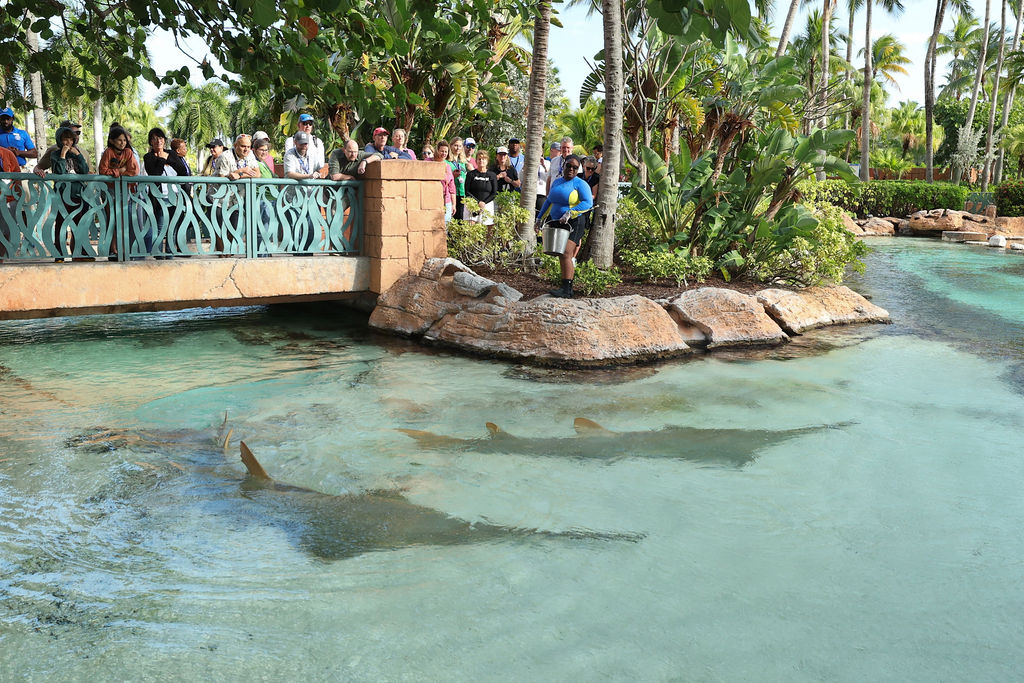
May 30 is World Sea Lion Day
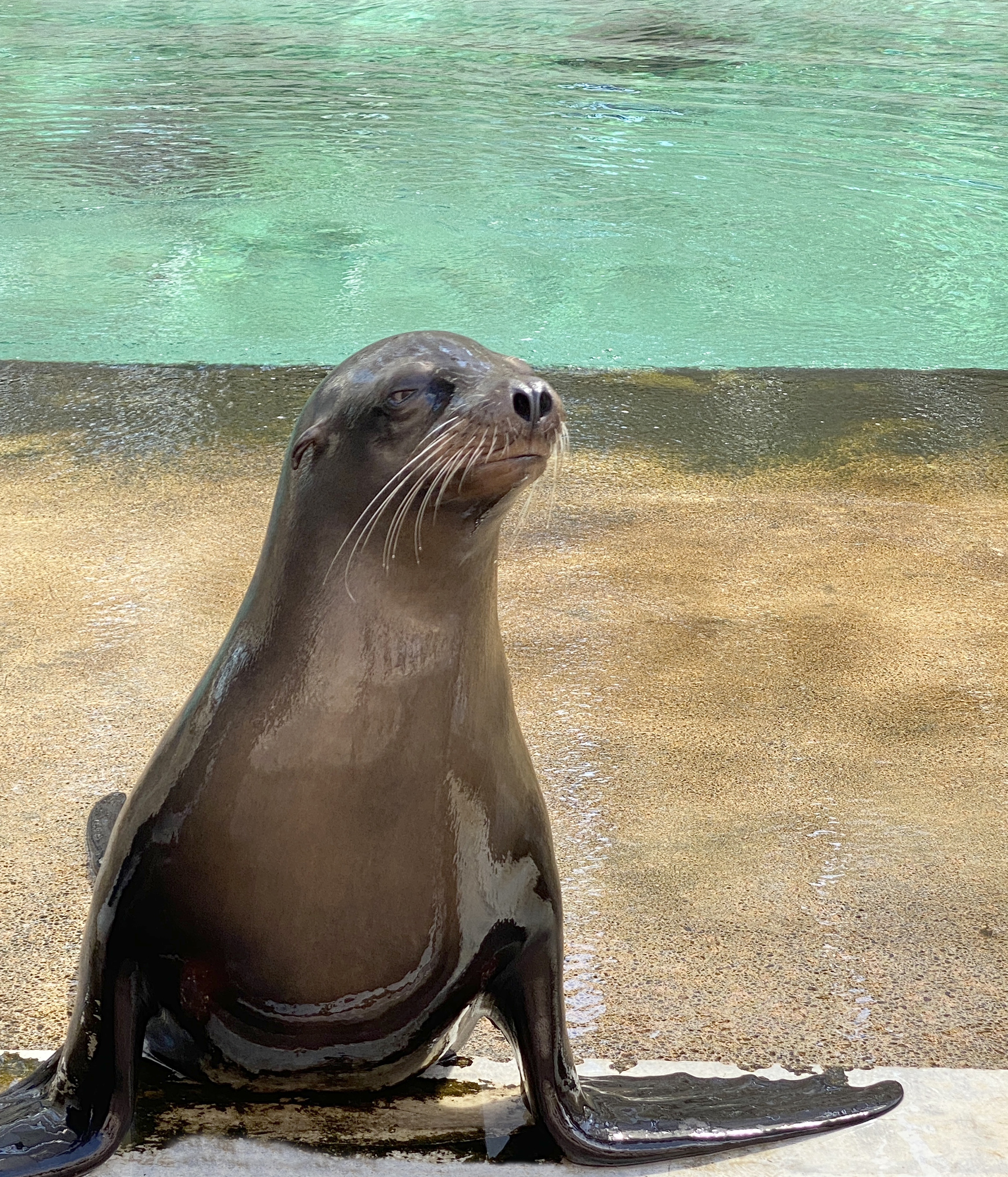
Boisterous and beloved, our California sea lions are known for their playful personalities and high energy (fully on display during guest interactions). Like dolphins, sea lions are smart and naturally curious, often expressing themselves through their signature “barking” sound.
They live both in and out of the water, using mainly their front flippers to generate thrust underwater and all four on land. Sea lions can rotate their pelvic structure to allow them to walk on all four flippers, unlike seals who cannot rotate their back flippers and rely on pulling themselves forward using their front flippers.
May 31 is World Parrot Day
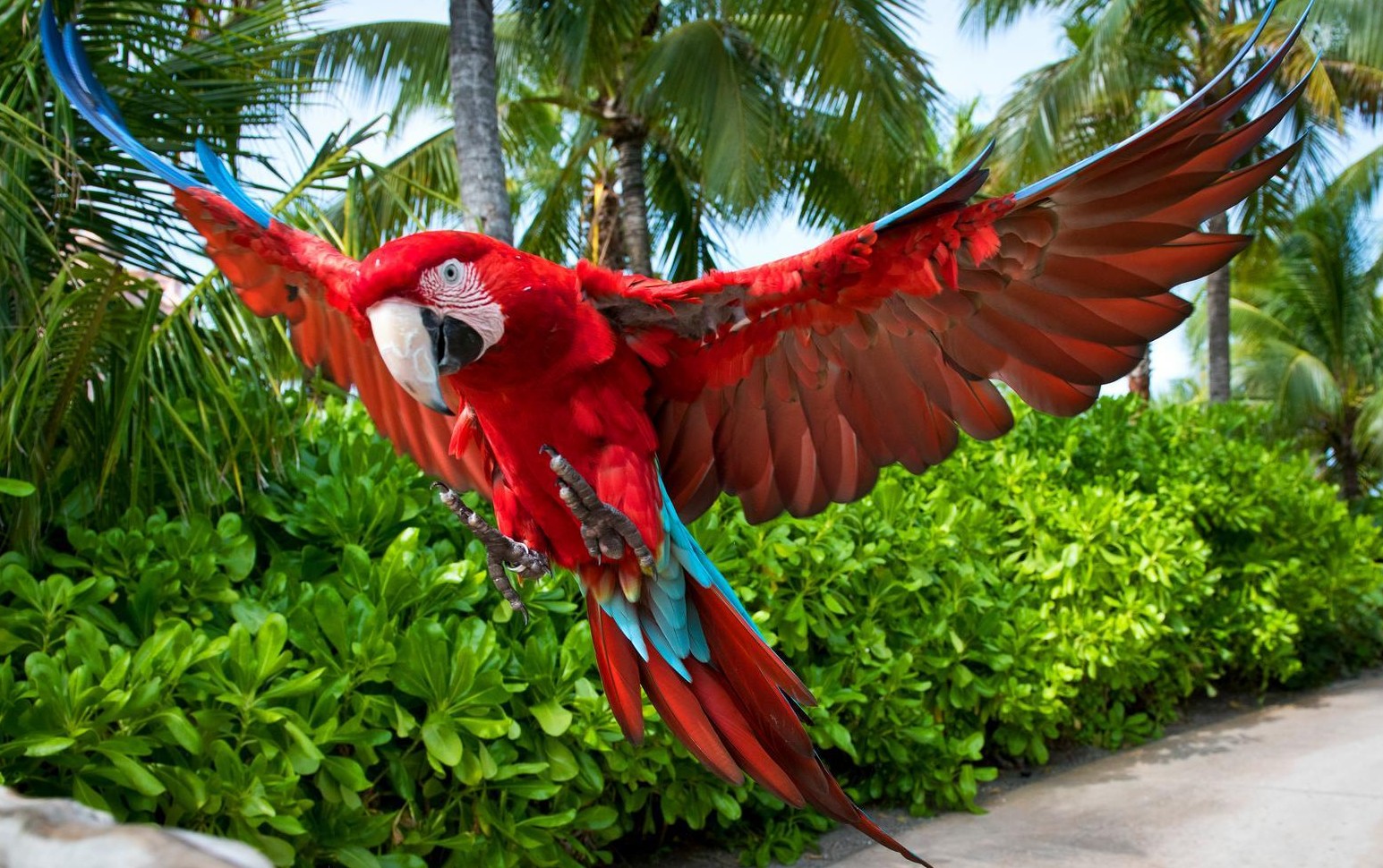
The next time you’re basking on our beaches or lounging by our lagoons, you might catch sight of one of our colorful Macaws. Native to Central and South America, macaws are the largest birds in the parrot family and are part of behind-the-scenes animal interactions at Dolphin Cay.
Parrots are among the most threatened bird groups, with 58% of species in decline due to habitat loss, poaching, and the pet trade. Many parrots live for decades, with large species living up to 80-100 years, requiring a lifelong commitment to their care.
Stay four nights or more and save up to 35%, plus complimentary breakfast for two and more time to experience everything Atlantis has to offer.
Stay four nights or more and save up to 35%, plus complimentary breakfast for two and more time to experience everything Atlantis has to offer.